The cinematic edition of The Silence Architect - book 2 in The Memory Collector series - is now live:

W hen researching Victorian insane asylums – specifically Bethlem Royal Hospital (better known as Bedlam) for The Memory Collector – I didn’t expect to be reminded of my childhood.
And yet, there I was.
Take a look at this Bedlam Hospital report from 1885:
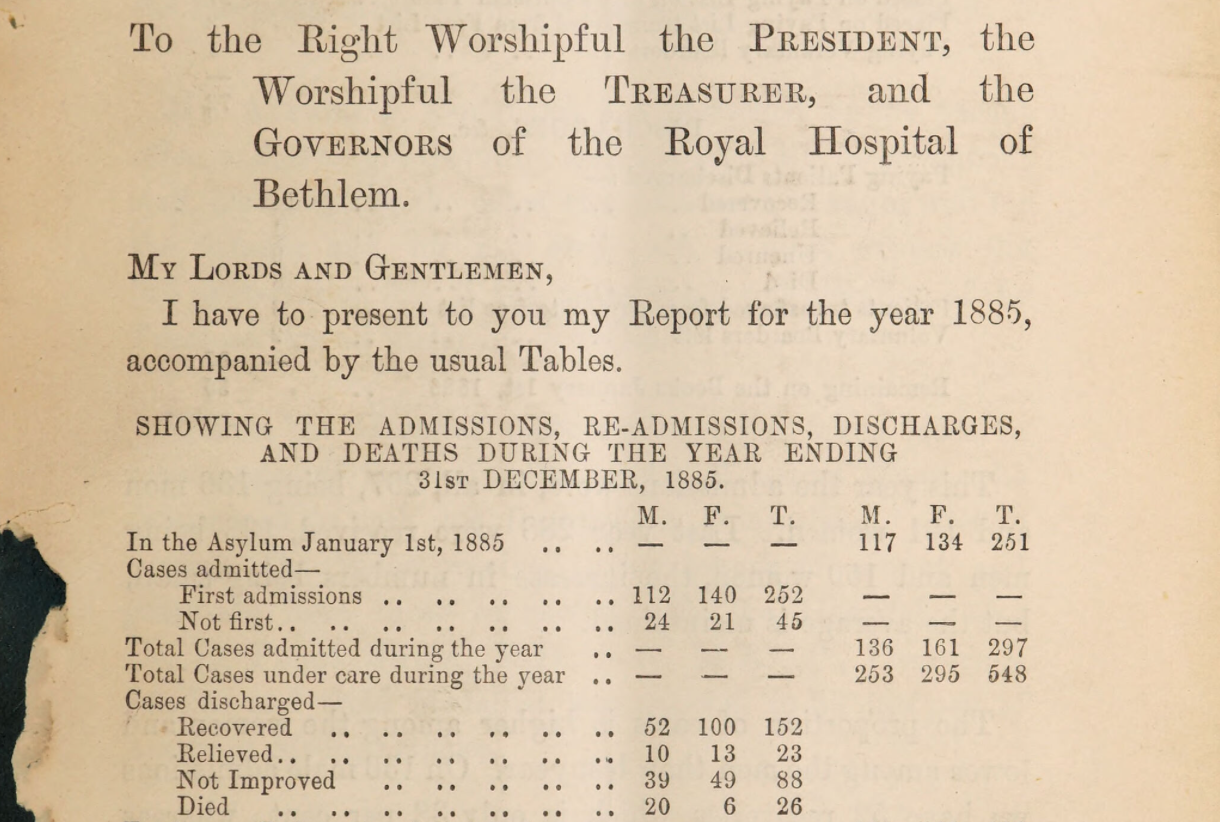
By that year, Bedlam was considered progressive. A far cry from the shitty old days when patients were shackled to walls and hosed down for stinking too much or for simply existing.
But...
Reading the full report gave me the creeps. The guy writing it sounded proud. Whether he was proud that he sat at the top of the asylum's food chain, or proud that more patients were cured (aka made quiet and compliant) than died, we'll never know.
Imagine this report set in 2025, celebrating that "only" 10% of their patients died. Wouldn't that be a huge scandal and result in lengthy legal investigations, not applause?
Yep, it would.

Yeah, but that was 140 years ago, so...we're good now, aren't we?
Nope. We aren't.
Let me tell you about my cousin. He was someone we’d now call special needs. Back then, people used the term "retarded" on him. He must have been born between 1935 and 1940. There's no one alive I can ask for details.
Somehow, he evaded Aktion T4, a Nazi program to exterminate anyone with intellectual and developmental disabilities, psychiatric disorders, and severe physical disabilities – all considered "life unworthy of life" – lebensunwertes Leben. Disabled children and infants where on the top of the Nazi's euthanasia list.
Let that sit on your tongue for a good long moment.
Aktion T4 was a precursor to the Holocaust. Disabled infants and children were killed in gas chambers, by lethal injections, and forced starvation.
I have no idea how my cousin's parents managed to keep him from being noticed. Maybe because they lived in a small village and kept him at home. Maybe the village physician didn't report them. Maybe he was too young to be "obvious."
After the war and all through the East German regime, disabled and/or mentally ill people were left alone – meaning that being murdered was off the table, but there was also zero help.
What they now got was silence.

In the 1980s and 90s, when I was a child, mental illness was a taboo. If you felt unwell, you pulled yourself together. If you can't pull yourself together, it's your own fault.
I Was Convinced I'd End Up Institutionalized
During most of my childhood, I believed I was one sideways glance away from the asylum. I couldn't talk about it with anyone. I didn’t know how to be normal. I tried, but... Total failure.
Decades later, the puzzle pieces finally fell together: I was an autist, non-binary kid with ADHD, epilepsy, and Alice in Wonderland Syndrom. My epilepsy was diagnosed a decade after the East German regime fell. The rest I had to excavate during my late fourties. If I wanted an official diagnosis, I'd have to wait 2 years for an appointment or spend 2,500€. And then I'd have to spend even more money to get my brain certified that its overwhelming weirdness isn't too awful for me to keep my drivers license (which I had for decades).
Thanks, but no thanks.
Yes, we've come a long way as a culture that once tried its best to burn down anything that looked like diversity. But let’s not pretend we’ve arrived.
If you're not a neurotypical, straight, white conformist male, you're still running uphill through mud. Harder hit. Harsher judged. Everything costs more – time, energy, opportunity.
It’s 2025, and we still don’t have equal pay or career access for women across the EU. We still lack real medical equity for the LGBTQIA+ community. We still treat neurodivergent minds like problems to correct rather than perspectives to include.
And don’t even get me started on the education system.
The list isn’t just long, it’s systemic.
And it bleeds into every corner of who gets to feel safe, seen, included, and possible.

Why is so much suffering caused by the concept of "normal" and the pressure to fit into it? What Even Is “Normal”?
I think about this a lot.
How many people are quietly erased by the demand to contort themselves into shapes made for someone else’s comfort?
How much diversity, brilliance, and unruly genius do we lose?
Common sense (and about five mountains of psychological research) tell us that conformity suppresses creativity, individuality, and well-being.
And yet, conformity is still the rule, taught and expected by too many parents, teachers, bosses. Why?
So each of us is less difficult?
Easier to manage?
But what if...you stopped being less difficult?
This is one of the reasons I write.
To ask what happens when you stop trying to fit in, and start paying attention to the cracks on the edge of the map. The seemingly irrelevant spaces where no one is looking.
Because that’s where the real stories live. And maybe, it’s where we find ourselves, too. 🖤
“Normal” is just consensus propped up by comfort and fear. We don’t talk enough about the lies behind it or the people lost to it.
So now I’m asking you: What do you wish someone had told little-you before the world started teaching shame? Leave a comment below (don't worry, this post and all comments are community-only). Or just read what others are saying. We carry this together.
🖤 I’ll be there with you.
